

Quick shifts in digital education reshape how organizations manage instruction. Lessons once lined up through traditional platforms that tracked progress while holding methods steady. As learners seek personal routes and skills grow harder to master, units turn toward intelligent features built into software. With sharper tools woven in, classes adjust closer to each person, operate with less friction, carry more energy. These upgrades shift static collections of material into active zones that respond without waiting.
AI Used in Learning Systems
When artificial intelligence helps, learning tools start thinking differently. Watching each move a person makes becomes part of the process. Adjustments happen without being told, especially in better setups. Noticing what choices lead where matters more than fixed paths. Lessons shift shape depending on the learner, quietly adapting behind the scenes. Where you go alters what comes after. The route shifts based on steps already taken.
Once artificial intelligence links up with a LMS vs AI-Powered LMS things start moving without help. Lessons shape themselves around individual needs. Patterns in how people learn begin showing up more clearly. This change? It reshapes engagement levels. Training begins hitting its mark more reliably.
AI Shifts Online Learning Patterns
One thing catches attention with AI in education: personalization. Because it checks past scores, weak spots, and pace, the platform adjusts upcoming material. When lessons arrive at the right moment – aligned with need – understanding grows stronger. Retention improves without extra effort. This method makes picking up new ideas smoother.
Intelligent Content Recommendations
A machine that learns can point you toward lessons tailored to your aims. As a result, hunting for answers takes far less effort. Suggestions arrive in a way that seems to know you – keeping curiosity going. Often, these picks match actual ambitions, so where to go next feels obvious.
Adaptive Assessments
Here’s a twist: questions change as you go, adjusted by clever code in the system. If your answer shows confidence, the following one steps up in challenge – sometimes down too. Just when it feels like remembering facts, logic slips in without warning. This shifting keeps pace with individual understanding. Precision comes from movement, not stillness. Things get better without pushing – when feedback lines up, change shows up on its own. Equity slips into view since no two people ever deal with the very same situation in exactly the same way.
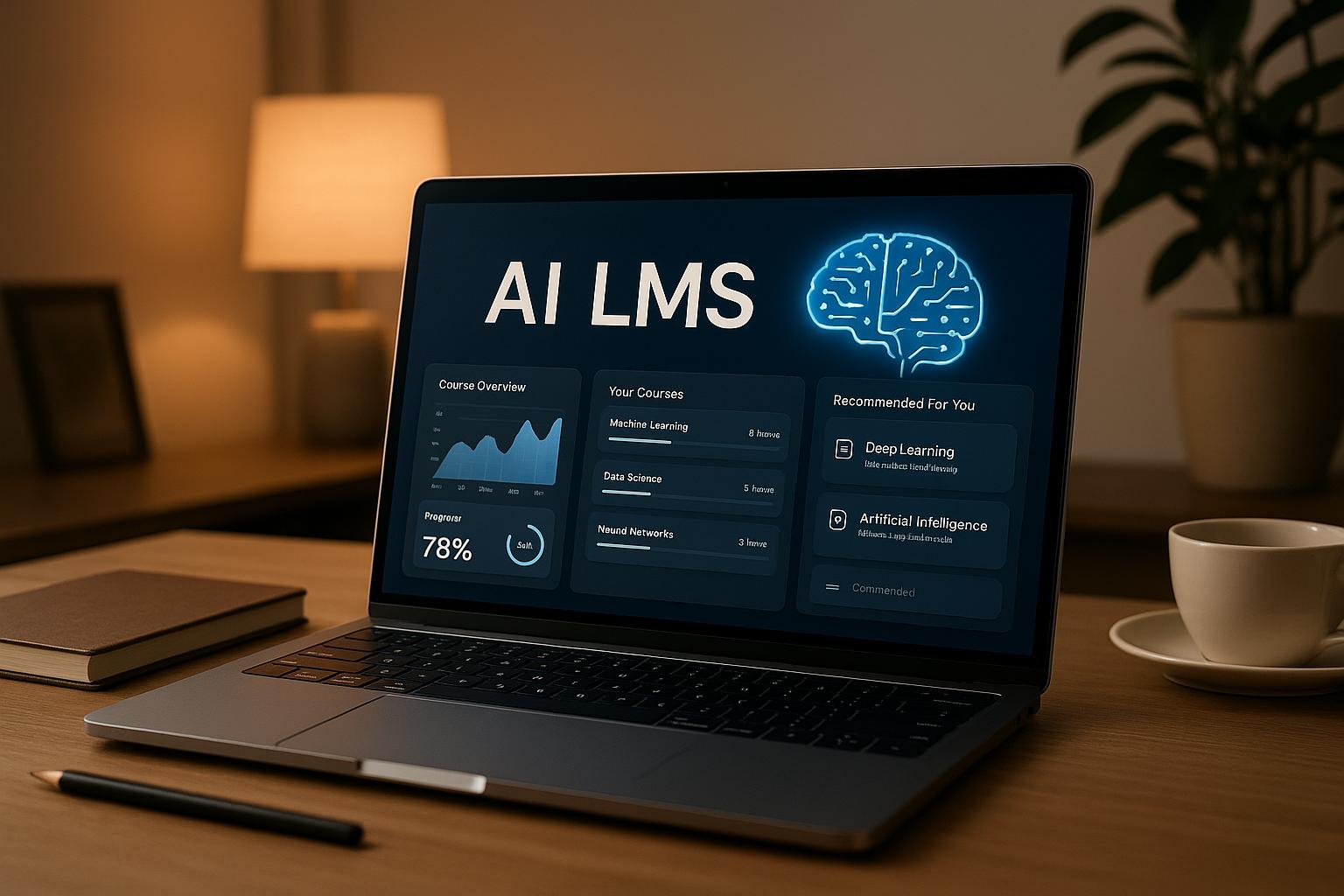
AI Handles Routine Work in Educational Platforms
Administrative Efficiency
With AI LMS platforms handling tasks, forms drop off quickly. Because systems manage registrations, reminders, scheduling, or progress checks, work pressure eases. Focus moves toward strategy when routine duties fade into the background.
Automatic feedback and help
Instant replies come through clever chat features inside learning platforms. Help arrives quickly, so users sense backing without delay. When responses pop up right after questions, the process feels smoother. No need to wait on someone typing back – support is already there.
Content Tagging and Organization
Piles of lessons start making sense when tags come from machines. Hours shrink into seconds because learning systems carry clever helpers inside. Right materials pop up quicker, much like opening a book at a bookmarked spot. Everything lines up neatly, as if it always belonged there. No more searching needed.
Data Driven Insights And Analytics
Simple summaries pop out from ordinary learning sites. When clever programs join, everything changes slowly. Signs appear in places people ignored earlier. How learners pick paths, their pace, how often they retry – these pieces count more than expected. A single misstep now could hint at bigger issues later. A shape begins to form when gaps in understanding suddenly show up, much like symbols that were always there but unseen. Clarity grows – not through guessing – but because patterns emerge clearly, the moment your eyes adjust.
Predictive Learning Analytics
When past data meets real-time signals, AI spots patterns in student progress. Help appears sooner because of it – timely suggestions pop up before challenges grow. A nudge toward useful tools happens right when momentum slows. Predictions come from mixing history with what’s happening now. Support shifts based on subtle changes nobody else might notice.
Continuous Learning Optimization
Most folks get it fast in certain drills, though some bits just slip through. Seeing what sticks helps crews tweak how they train. Over weeks, those insights start steering decisions. Patterns show up, so plans shift without much fuss. Out of nowhere, choices begin matching what actually happens, not hunches. Clarity in future steps grows once real outcomes shape the direction.
How AI Learning Systems Affect Student Engagement
When you learn online, keeping attention isn’t always easy. What helps? Lessons that respond like a real conversation, thanks to clever built-in reactions.
Smart Alerts and Reminders
Messages appear perfectly timed whenever a student signs in late. As habits change, suggestions adjust – smooth, not stiff. Quiet progress grows where responses come like normal talk. Getting things done goes up because help appears even during strange times.
Gamification and Motivation
Now here’s a twist – every pick a student makes bends the way AI tweaks its tricks. Tasks shift, rewards adapt, progress bars stretch differently. When things line up cleanly, interest climbs. So does that sense of getting somewhere worth reaching.
Natural Language Processing
Words make sense to computers now, changing how we talk online. Hidden pieces in teaching apps scan what people write, looking for repeats. A tool could point out good answers, whereas a different one offers ideas from old messages. Things flow better since small tweaks run without notice underneath. Quiet changes keep things moving.
LMS Compared to AI Enhanced LMS Key Differences
Understanding what sets regular learning systems apart from those using smart technology helps organisations assess their readiness for advanced training methods.
- Traditional LMS
- Delivers standardized content
- Relies on manual administration
- Provides basic reporting
- Offers limited personalization
- AI-Powered LMS
- Delivers personalized learning experiences
- Automates administrative tasks
- Provides predictive analytics
Adapts to individual learning styles, changing gradually along the way
From older ways of teaching grew a shift – classrooms today influenced by artificial intelligence. Instead of only fresh gadgets, education adapts itself to individual learners. What changed is that it pays closer attention to how humans really learn.
AI and the future of top learning platforms
Few things change how people study like software that adapts mid-lesson. Learning speeds up when machines notice what sticks. Focus holds stronger where digital help kicks in quietly. Success tends to follow those who blend tools with actual growth, not just flash.
As work changes shape, skills grow step by step with help from artificial intelligence. Since needs shift fast, smart systems adapt right along, making training feel less like a one-time fix. Learning stays alive when machines learn too, shaping tools that last beyond single lessons. What starts as support often becomes part of how people keep up every day.
Challenges Adding AI to Learning Platforms
Ai In Learning Systems Requires Thought
- Data quality and availability
- Ethical use of learner data
- Clearer AI Decision Making
- Change management and user adoption
Watch how each piece fits – AI might raise learning standards, yet still keep honesty strong, improving results across classrooms. Still matters where tech steps in.
Conclusion
Inside digital classrooms, artificial intelligence reshapes company training. Lessons shaped by individual progress appear more often now. Work moves smoother when guided by clever routines behind the scenes. Patterns hidden in numbers reveal what works best. Speedy adjustments to learner habits lift overall outcomes. Teaching principles grounded in research meet powerful software here. Gains emerge where method meets machine. With support from Dynamic Pixel, organizations align smart technology with real learning needs, helping complex systems fall into place. Side by side with sharp coders, tangled processes start to click. The way we decide now shapes how well places teach later.